EN
EN

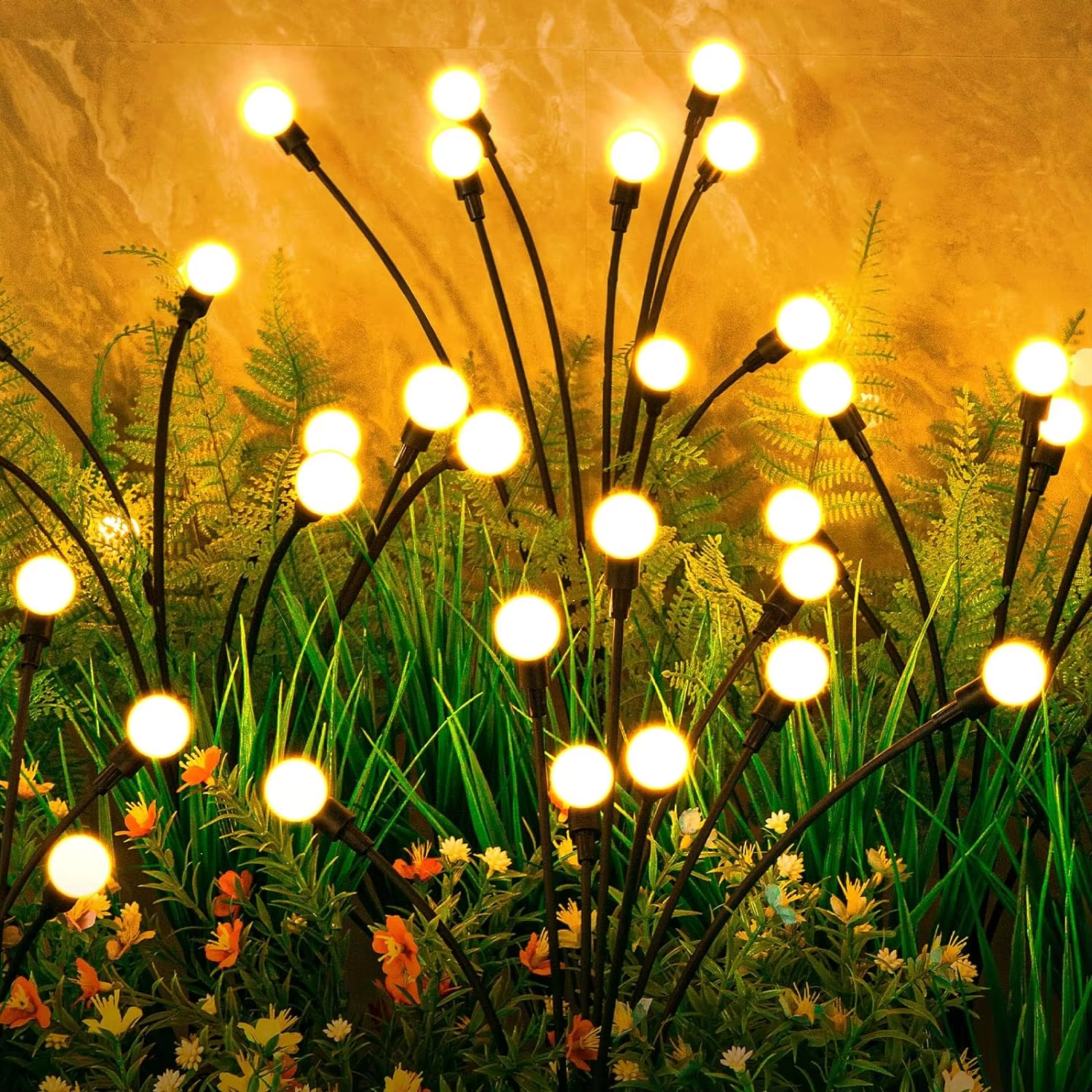
Materiaalprestatie van gerecycleerd plastic in buitenhuizen voor vogelversieringen
Belangrijke mechanische en milieu-eigenschappen van gerecycleerd plastic voor tuingebruik
Kunststof vogelvoederplaatsen voor buiten, gemaakt van gerecycled kunststof, bieden zowel duurzaamheid als milieuvriendelijkheid, zijn goed bestand tegen weer en wind en helpen afval te verminderen. Neem bijvoorbeeld hoogdichtheidspolyethyleen (HDPE), dat afkomstig is uit oude flessen en verpakkingen, maar nog steeds ongeveer 85 tot 90 procent van de sterkte heeft van gloednieuwe kunststof. Dat betekent dat deze voederplaatsen goed bestand zijn tegen de elementen. Het materiaal neemt ook nauwelijks vocht op, zelfs niet na lange tijd in vochtige omstandigheden, iets wat gewoon hout niet kan zonder uiteindelijk te rotten. Moderne samenstellingen bevatten UV-bescherming die echt een verschil maakt, door kleurverlies met ongeveer 70% te verminderen over een periode van drie jaar, zodat de voederplaats er niet al na een seizoen of twee verbleekt en versleten uitziet. Er is echter één addertje onder het gras als het gaat om verschillende soorten kunststof. Gerecycleerd polypropyleen zet bij temperatuurschommelingen bijna tweemaal zo veel uit als ABS-kunststof, dus ontwerpers moeten hier rekening mee houden om te garanderen dat hun producten niet zullen barsten of vervormen in de loop van de tijd.
UV-stabiliteit, thermische uitzetting en vochtresistentie in metalen geïntegreerde ontwerpen
Bij het werken met composietmaterialen die gerecycleerd kunststof en metalen onderdelen combineren, hangt de prestatie sterk af van de manier waarop deze lastige materiaalverschillen worden behandeld. Het probleem doet zich voor wanneer verschillende materialen bij temperatuurveranderingen met een ander tempo uitzetten. Dit veroorzaakt spanning op de plaatsen waar onderdelen zijn bevestigd, wat kan leiden tot snellere scheurvorming tijdens herhaalde cyclus van bevriezen en ontdooien. Sommige fabrikanten hebben succes geboekt met co-extrusiemethoden. Deze methoden creëren soortgelijke bufferzones tussen materialen die meebuigen en bewegen met temperatuurschommelingen in plaats van te breken onder druk. Wat betreft duurzaamheidsproblemen, is er ook iets interessants over UV-bestendigheid. Gerecycleerde kunststoffen verrijkt met koolstofzwart behouden hun kleur over het algemeen goed, met minder dan 5% vervaging, zelfs na 5.000 uur in versnelde weertestomstandigheden. Dat is zelfs beter dan wat we zien bij traditionele houtcomposieten. Een andere groot pluspunt is hoe deze materialen omgaan met vocht. Omdat ze water niet zo gemakkelijk opnemen, is de kans op corrosie op plaatsen waar metaal en kunststof samenkomen, kleiner. Praktijktests bevestigen dit ook. Metalen frames, beschermd door beschermende lagen, zijn volledig roestvrij gebleven gedurende meer dan vier jaar buitenshuis, blootgesteld aan alle weersomstandigheden.
Duurzaamheid en langetermijnbetrouwbaarheid van gerecycleerd plastic in metalen composietbehuizingen
Levensduurdata uit de praktijk: barsten, vervagen en structurele integriteit over een periode van 3–5 jaar
Volgens veldtests blijven ornamenten van gerecycled plastic in de vorm van vogelhuisjes ongeveer drie tot vijf jaar functioneel wanneer ze normaal buiten worden geplaatst. Na ongeveer drie jaar vertonen ongeveer twee derde van deze artikelen barsten op het oppervlak door zonbeschadiging, terwijl bijna alle gekleurde varianten hun oorspronkelijke kleur sterk verliezen (zoals vermeld in het Materiaalprestatierapport voor 2024). Positief is dat hogere kwaliteit composietmaterialen minder dan een half procent vocht opnemen, wat betekent dat ze minder snel gaan vervormen. Het probleem ligt echter bij gerecycled kunststof hout. Dit ontwikkelt veel sneller barsten in vergelijking met nieuw kunststof, soms tot veertig procent sneller. Dit benadrukt waarom fabrikanten zich echt moeten richten op het verbeteren van hun polymeermengsels en betere UV-bescherming moeten toevoegen als zij willen dat deze tuindecoraties langer meegaan zonder de duurzaamheidsdoelstellingen in gevaar te brengen.
Invloed van temperatuurwisseling en spanning aan de metaal-kunststofgrens op foutmodi
Dagelijkse temperatuurwisselingen boven de 30 graden Celsius nemen werkelijk hun tol op metalen geïntegreerde kunststofmaterialen van gerecycled plastic. We zien diverse veelvoorkomende problemen ontstaan door deze belasting. Bevestigingsmiddelen beginnen mettertijd kleine barstjes te vertonen, ongeveer 15 procent van de composietverbindingen ondervindt scheidingsproblemen, en dunne onderdelen vervormen vaak permanent na herhaalde verwarmings- en koelcycli. Het hoofdprobleem doet zich voor wanneer metalen en kunststoffen wegens hun verschillende thermische eigenschappen anders uitzetten. Als het verschil tussen deze materialen meer dan 50 micrometer per meter per graad Celsius bedraagt, observeren we doorgaans dat de uitvalfrequentie verdubbelt tijdens de vaak voorkomende bevriezings- en ontdooicycli in buitenomgevingen. Door echter flexibele bufferzones aan te brengen rond metalen onderdelen, worden deze interfaceproblemen ongeveer 70 procent gereduceerd. Dit maakt een groot verschil voor producten zoals sierlijke vogelvoederplaatsen van gerecycled materiaal, ook al blijven ze uitdagingen ondervinden vanwege de inherente beperkingen van hun samenstelling.
Duurzaamheid en functionele afwegingen: gerecycleerd plastic versus traditionele materialen
Vergelijkende analyse: gerecycleerd plastic, hout en metaal in behuizingen voor vogelversieringen in de tuin
Bij het kiezen van materialen voor vogelvoederplaatsen of decoraties moeten mensen nadenken over de levensduur, onderhoudsbehoeften en het effect op de natuur. Gerecycleerd plastic is beter dan gewoon hout wanneer het gaat om vochtbestendigheid en langdurig gebruik buitenshuis. Hout vervormt en rot vaak al na een paar jaar in de regen, hooguit vier jaar. Metaal lijkt sterk, maar roest mettertijd tenzij het is gecoat, terwijl dit soort gerecycleerd plastic prima standhoudt zonder extra bescherming. Bovendien wegen ze ongeveer dertig procent minder dan metalen varianten, waardoor ophangen aan hekken of bomen makkelijker is, zonder al te veel druk op takken te zetten.
| Materiaal | Duurzaamheid (buitenshuis) | Onderhoudsbehoeften | Milieubelasting | Kosten over 5 jaar |
|---|---|---|---|---|
| Herbruikte plastic | 5–7 jaar | Laag | Vermindert vuilnisbeltafval | $$ |
| Hout | 2–4 jaar | Hoog (afdichting) | Zorgen over ontbossing | $$$ |
| Metaal | 10+ jaar | Middelmatig (roestwerend) | Hoge energieproductie | $$$$ |
Tabel: Belangrijke afwegingen voor materialen van behuizingen voor vogelversieringen. De gegevens weerspiegelen gemiddelde levensduur in de sector (Raad voor Tuinmaterialen 2023).
Hoewel metaal een superieure levensduur biedt, leveren gerecycleerde kunststoffen een evenwichtige oplossing op — met matige duurzaamheid en een aanzienlijk lagere milieubelasting en onderhoudsbehoeften.
Levenscyclusvoordelen en beperkingen van tuinversieringen van gerecycleerd plastic
Het gebruik van gerecycled kunststof vermindert de behoefte aan nieuwe grondstoffen met ongeveer 60 tot 80 procent, wat de koolstofvoetafdruk tijdens de productie en daarna aanzienlijk verlaagt. Post-consumer-resin, of PCR voor kort, houdt jaarlijks talloze tonnen kunststof uit stortplaatsen. Het nadeel? De kwaliteit varieert behoorlijk tussen partijen, waardoor consistentie soms lastig kan zijn. Fabrikanten voegen vaak zaken toe zoals UV-beschermingsmiddelen en kleurstoffen om producten langer goed te laten uitzien, hoewel dit de productiekosten iets verhoogt. Tuindecoraties gemaakt van gerecycled kunststof hebben één groot voordeel ten opzichte van houten alternatieven: ze vereisen nooit die agressieve chemische behandelingen die gewoon hout nodig heeft om weerbestendig te blijven. Natuurlijk zullen de meeste na ongeveer drie tot vijf jaar in de zon beginnen te vervagen en barsten te ontwikkelen, maar over het algemeen blijft gerecycled kunststof een degelijke optie voor buitendecoratie wanneer zowel functionele als milieuvriendelijke aspecten worden afgewogen.
Veelgestelde vragen
Wat zijn de voordelen van het gebruik van gerecycled kunststof voor vogelvoederplaatsen buitenshuis?
Gerecycled kunststof biedt duurzaamheid en milieuvriendelijkheid, is bestand tegen vocht en UV-schade, waardoor het beter bestand is tegen weersomstandigheden dan traditionele materialen zoals hout.
Hoe verhouden gerecycled kunststoffen zich tot traditionele materialen zoals hout en metaal wat betreft duurzaamheid?
Gerecycled kunststof houdt doorgaans 5 tot 7 jaar stand buitenshuis, wat langer is dan hout (2-4 jaar) en minder onderhoud vereist dan metaal.
Zijn er nadelen aan het gebruik van gerecycled kunststof?
De belangrijkste nadelen zijn variatie in kwaliteit tussen partijen en de neiging om te vervagen en scheuren na langdurige blootstelling aan zonlicht.
Hoe beïnvloedt temperatuur de behuizingen van gerecycled kunststof voor decoratieve vogels?
Temperatuurschommelingen kunnen uitzetting veroorzaken, wat leidt tot mogelijk barsten of warpen, met name wanneer gecombineerd met metalen onderdelen. Het gebruik van bufferzones kan deze spanning echter verminderen.
Table of Contents
-
Materiaalprestatie van gerecycleerd plastic in buitenhuizen voor vogelversieringen
- Belangrijke mechanische en milieu-eigenschappen van gerecycleerd plastic voor tuingebruik
- UV-stabiliteit, thermische uitzetting en vochtresistentie in metalen geïntegreerde ontwerpen
- Duurzaamheid en langetermijnbetrouwbaarheid van gerecycleerd plastic in metalen composietbehuizingen
- Levensduurdata uit de praktijk: barsten, vervagen en structurele integriteit over een periode van 3–5 jaar
- Invloed van temperatuurwisseling en spanning aan de metaal-kunststofgrens op foutmodi
- Duurzaamheid en functionele afwegingen: gerecycleerd plastic versus traditionele materialen
-
Veelgestelde vragen
- Wat zijn de voordelen van het gebruik van gerecycled kunststof voor vogelvoederplaatsen buitenshuis?
- Hoe verhouden gerecycled kunststoffen zich tot traditionele materialen zoals hout en metaal wat betreft duurzaamheid?
- Zijn er nadelen aan het gebruik van gerecycled kunststof?
- Hoe beïnvloedt temperatuur de behuizingen van gerecycled kunststof voor decoratieve vogels?